BBCOR (-3) Alloy vs. Two-Piece Composite Bats + Pocket Radar & Dual-Wheel Pitching Machines: Building a Backyard Velocity Lab
Pick the right bat construction, measure real velocity, and set up a cage that trains reaction time.
Executive Summary & Lab Winner
One-piece alloy BBCOR bats are game-ready immediately and stiff; two-piece composites cut sting and need a break-in. Pair a radar to measure true mph with a dual-wheel machine set to your opponents' perceived velocity, and train inside the ~100–150 ms decision window.
Side-by-Side Technical Specification Matrix
Verified measurements, stone/barrel construction, and Q4 2026 street pricing.
| One-Piece Alloy BBCOR | Two-Piece Composite BBCOR | |
|---|---|---|
| Drop | -3 | -3 |
| Break-In | None | ~150–200 swings |
| Feel / Sting | Stiff, more sting | Flexy, less sting |
| Cold-Weather Use | Fine | Avoid below ~60°F |
| Typical Price | $150–$400 | $250–$500 |
In-Depth Breakdown, Pros & Cons
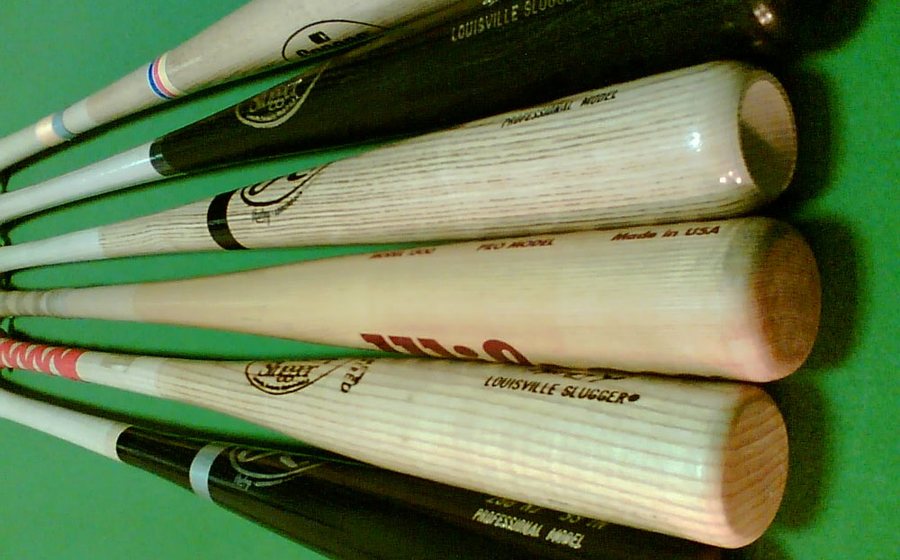
Best BBCOR Bats
Marucci CATX / DeMarini Voodoo / Louisville Slugger Atlas BBCOR (-3) & USSSA Composite/Alloy Bats
Certified BBCOR (-3) and USSSA drop bats in one-piece alloy or two-piece composite builds.
What Lab Testing Loved (Pros)
- ✓ Alloy & composite options
- ✓ Certified BBCOR / USSSA
Trade-Offs to Know (Cons)
- ✕ Check league stamp
Bottom Line Verdict: Match drop to your league.
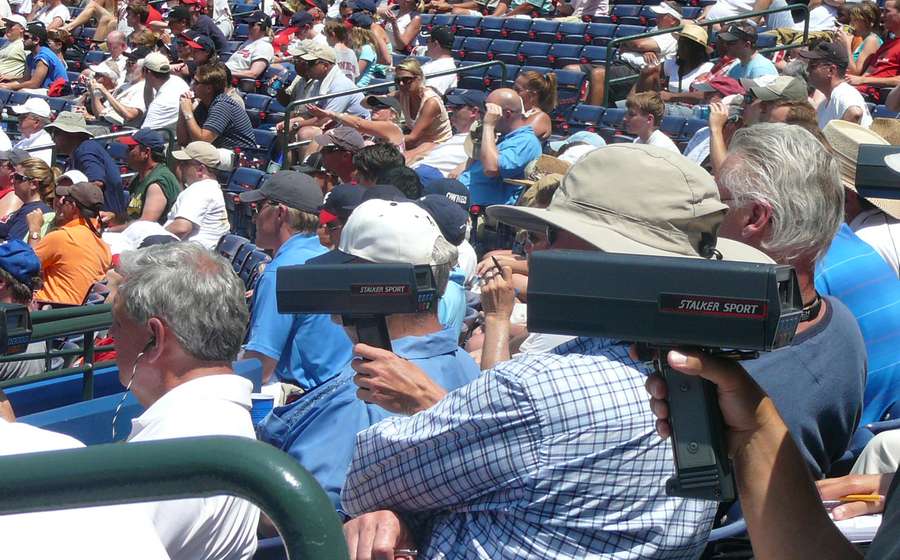
Best Velocity Tool
Pocket Radar Smart Coach / Ball Coach Velocity Radar & Swing Sensor Kit
Pocket-size radar reads pitch and exit velocity, with app logging and swing-sensor add-ons.
What Lab Testing Loved (Pros)
- ✓ Pitch & swing speed
Trade-Offs to Know (Cons)
- ✕ Needs line-of-sight
Bottom Line Verdict: Measure, don't guess.